

Bringing together 25 participants to explore how ocean accounting can strengthen decision-making in Marine Spatial Planning (MSP).
On 21 January 2026, the International Ocean Institute of Southern Africa and AfriSeas Solutions hosted a one-day participatory roundtable and role-play workshop at the SANBI Research Centre in Kirstenbosch, bringing together 25 participants to explore how ocean accounting can strengthen decision-making in Marine Spatial Planning (MSP).
The workshop introduced the principles of ocean accounting and its role in supporting trade-off analysis across environmental, economic and social domains. Through an interactive role-play simulation, participants represented different ocean sectors, including commercial and subsistence fisheries, dive tourism, conservation and terrestrial pressures, within a hypothetical country scenario. Using simplified ocean accounting maps and statistics, they analysed trends, weighed trade-offs, and developed marine spatial plans that considered resource use, ecosystem condition, economic benefits and social impacts.


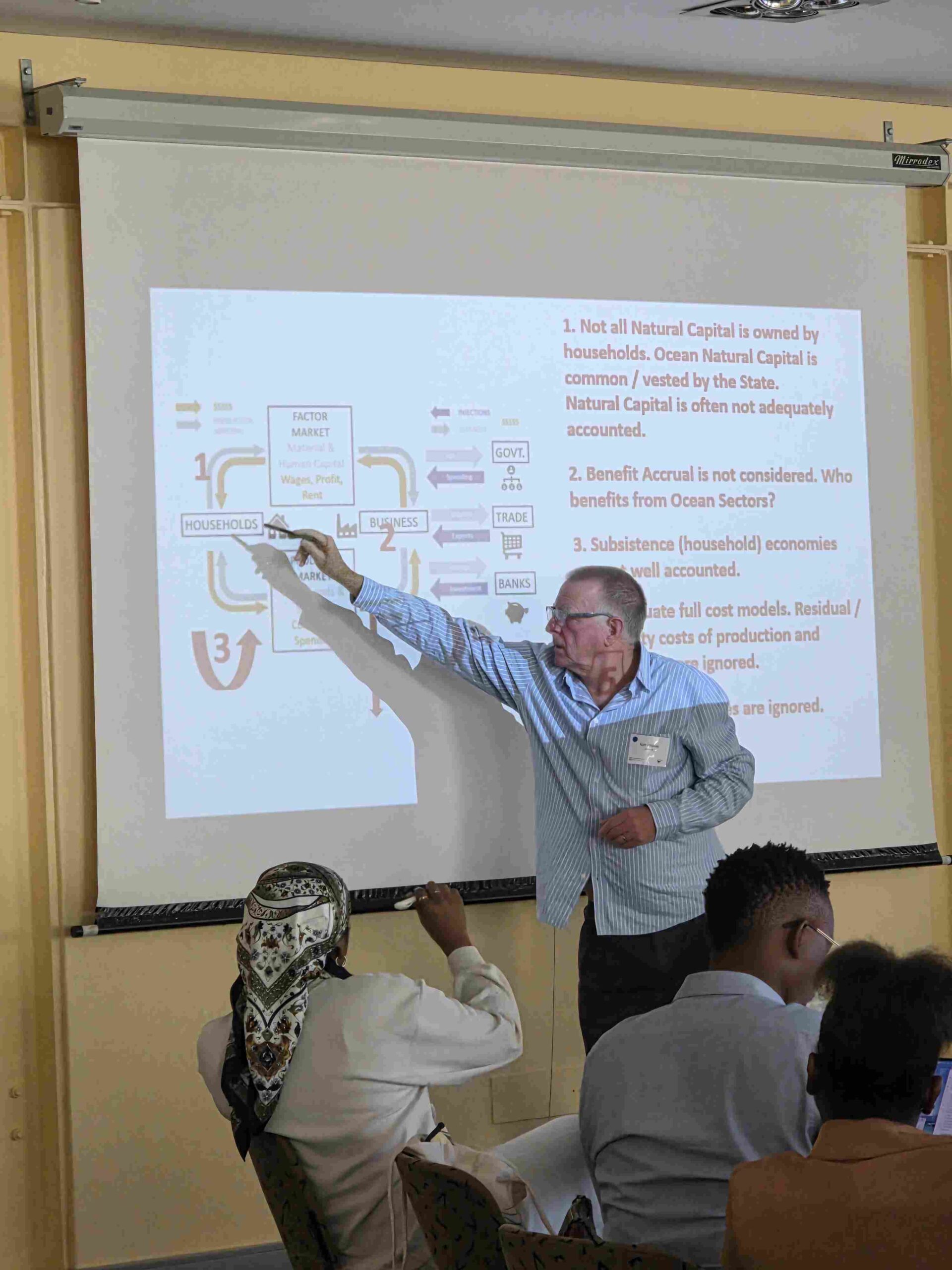
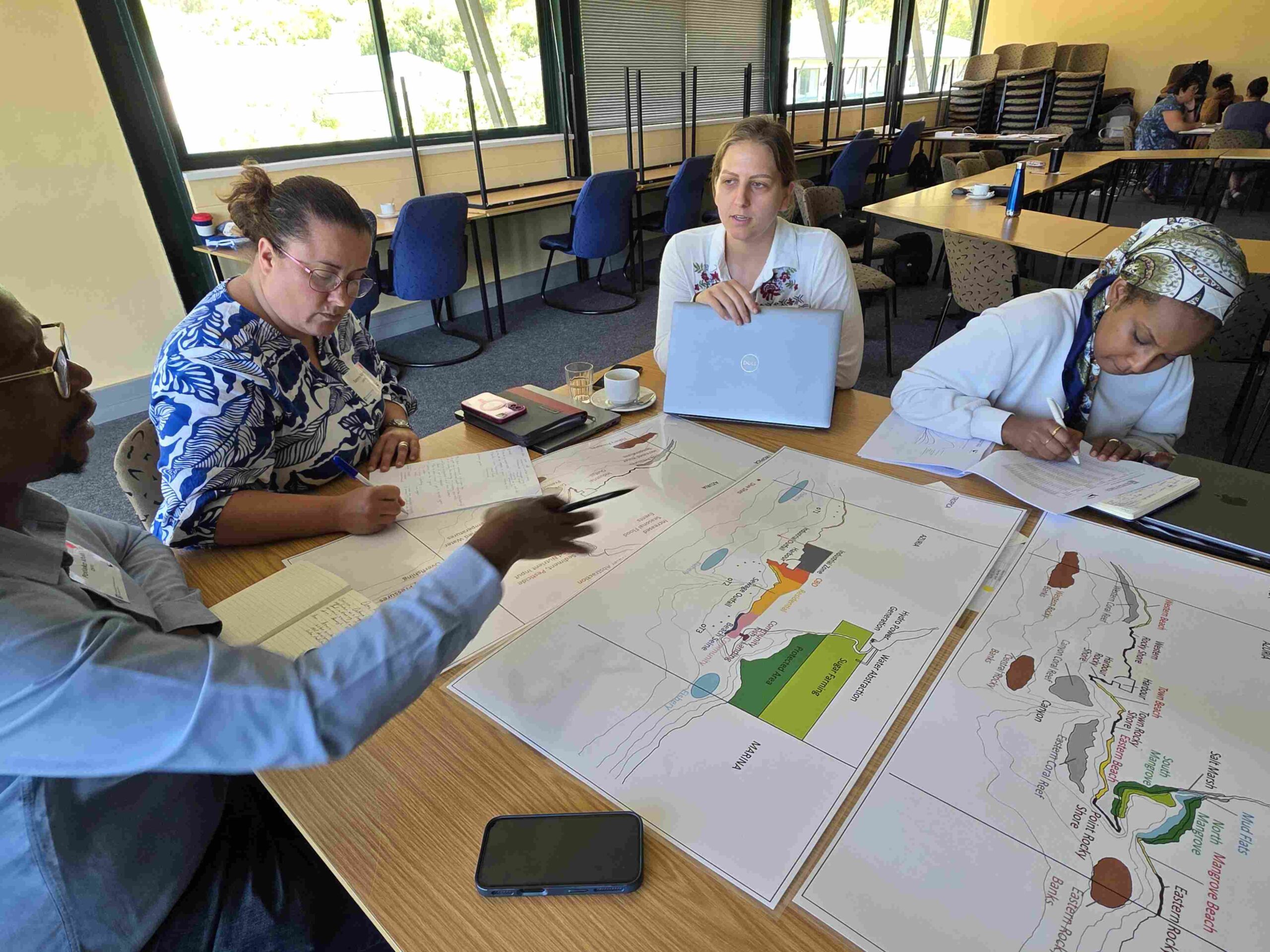
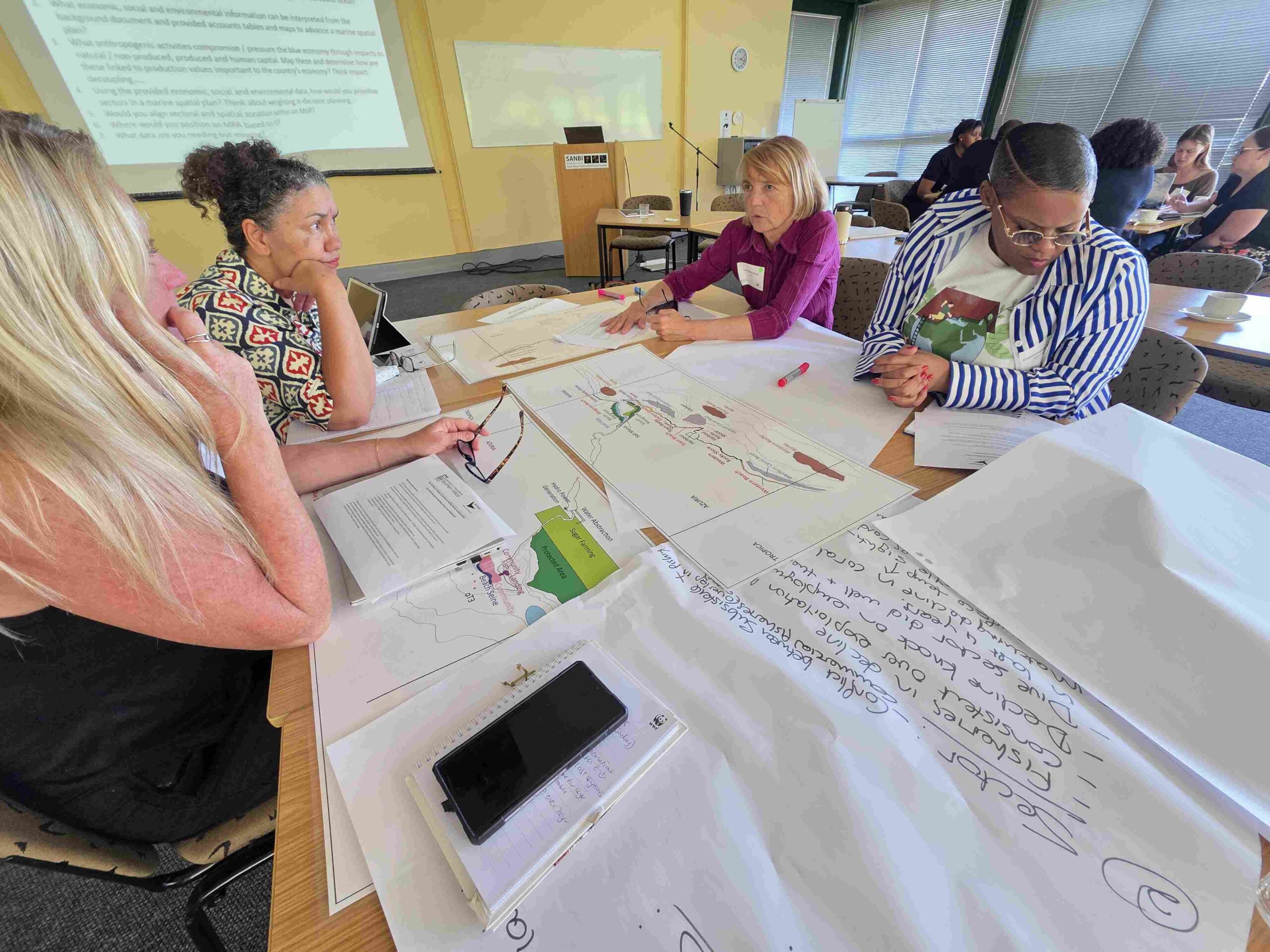
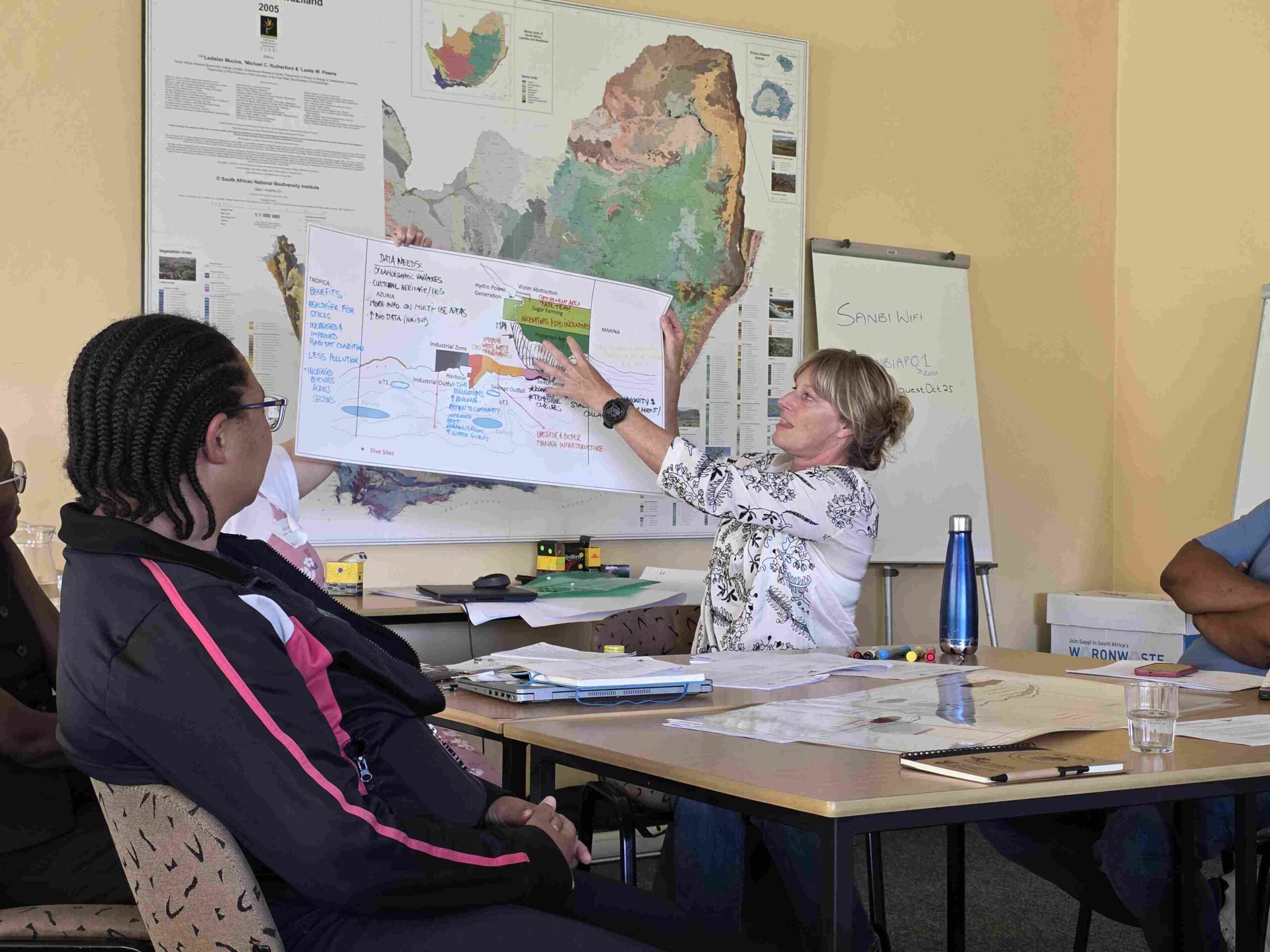
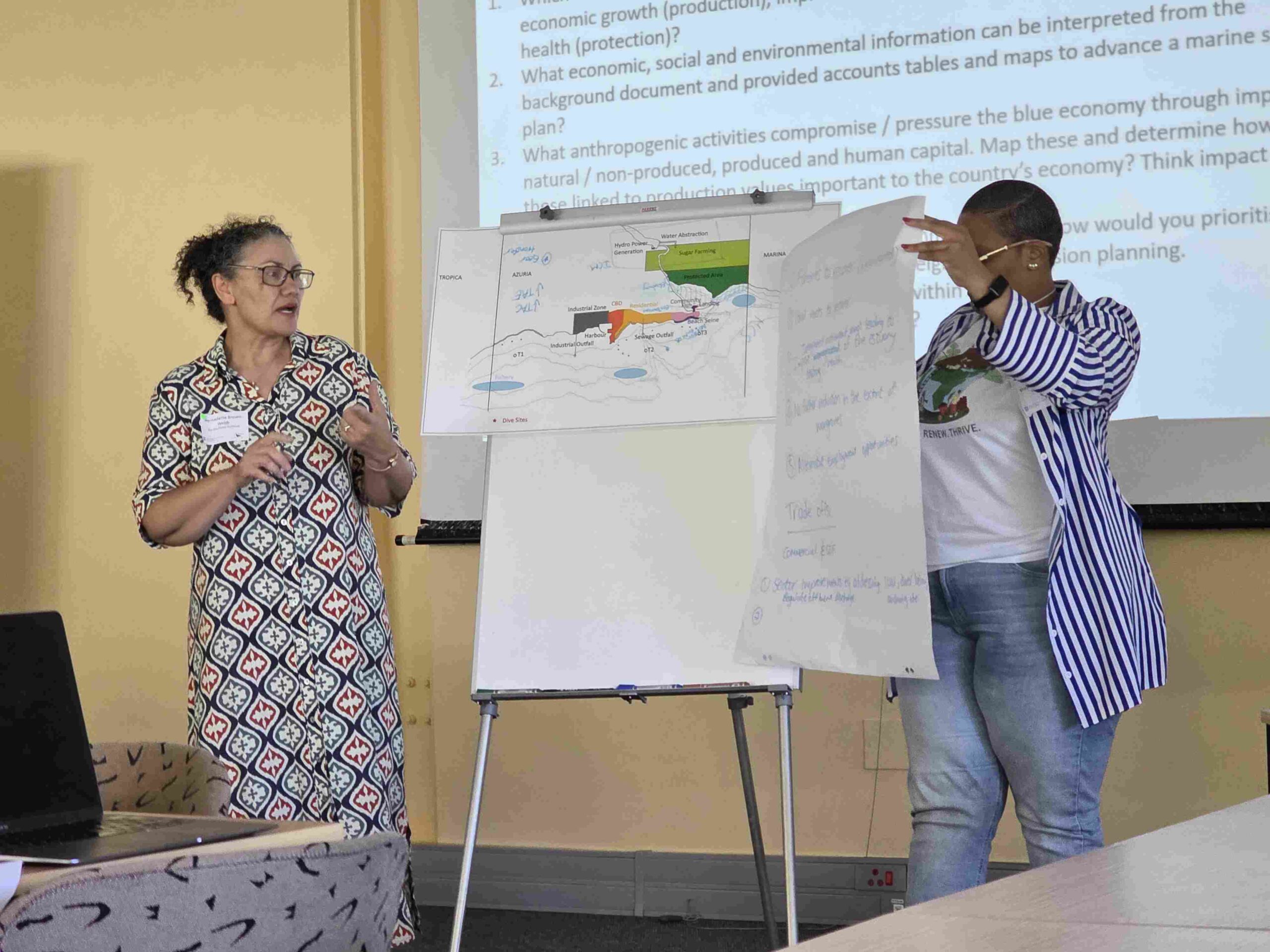
Professor Ken Findlay led a detailed presentation on ocean accounting, followed by group sessions to interpret data and apply it to the scenario. The exercise highlighted how changes in revenue, employment and ecosystem health are interconnected, and how informed decisions can move beyond purely economic criteria.
Reflections from the day showed strong support for role-play as an effective learning tool, with participants gaining deeper insight into both the value and practical challenges of applying ocean accounting in MSP. There was clear interest in expanding the workshop into a longer training programme and advancing ocean accounting as a practical tool within South Africa’s MSP process, supported by stronger data, institutional capacity and collaboration among decision-makers.

