

Five South African learners travelled to Antarctica through the Students in Antarctica Programme of the sixth expedition,

Five South African learners travelled to Antarctica through the Students in Antarctica Programme, the sixth expedition, gaining first-hand experience of one of Earth’s most fragile environments. With educational support from the International Ocean Institute – Southern Africa, the journey connected polar science, ocean conservation, and youth leadership.
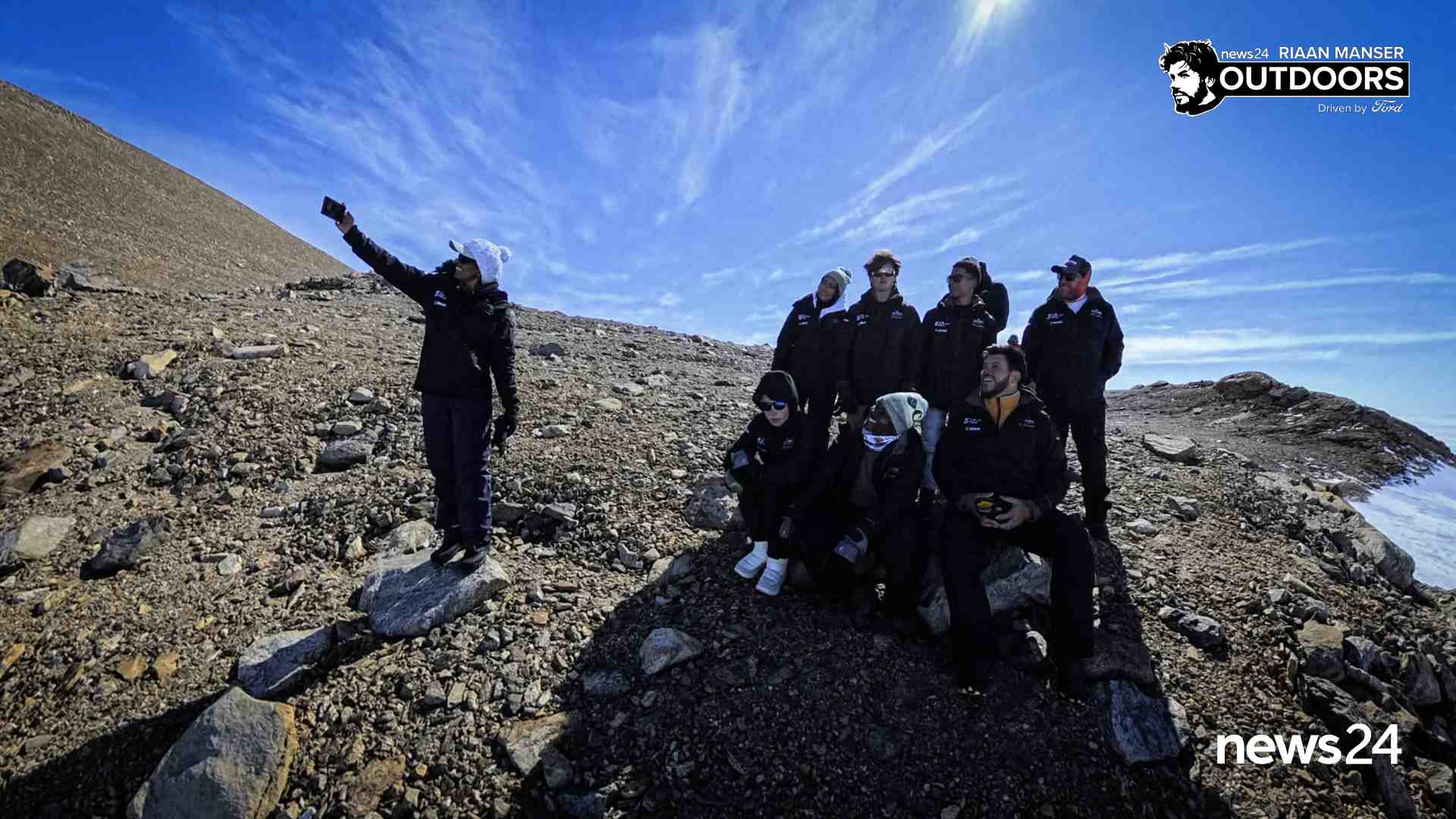
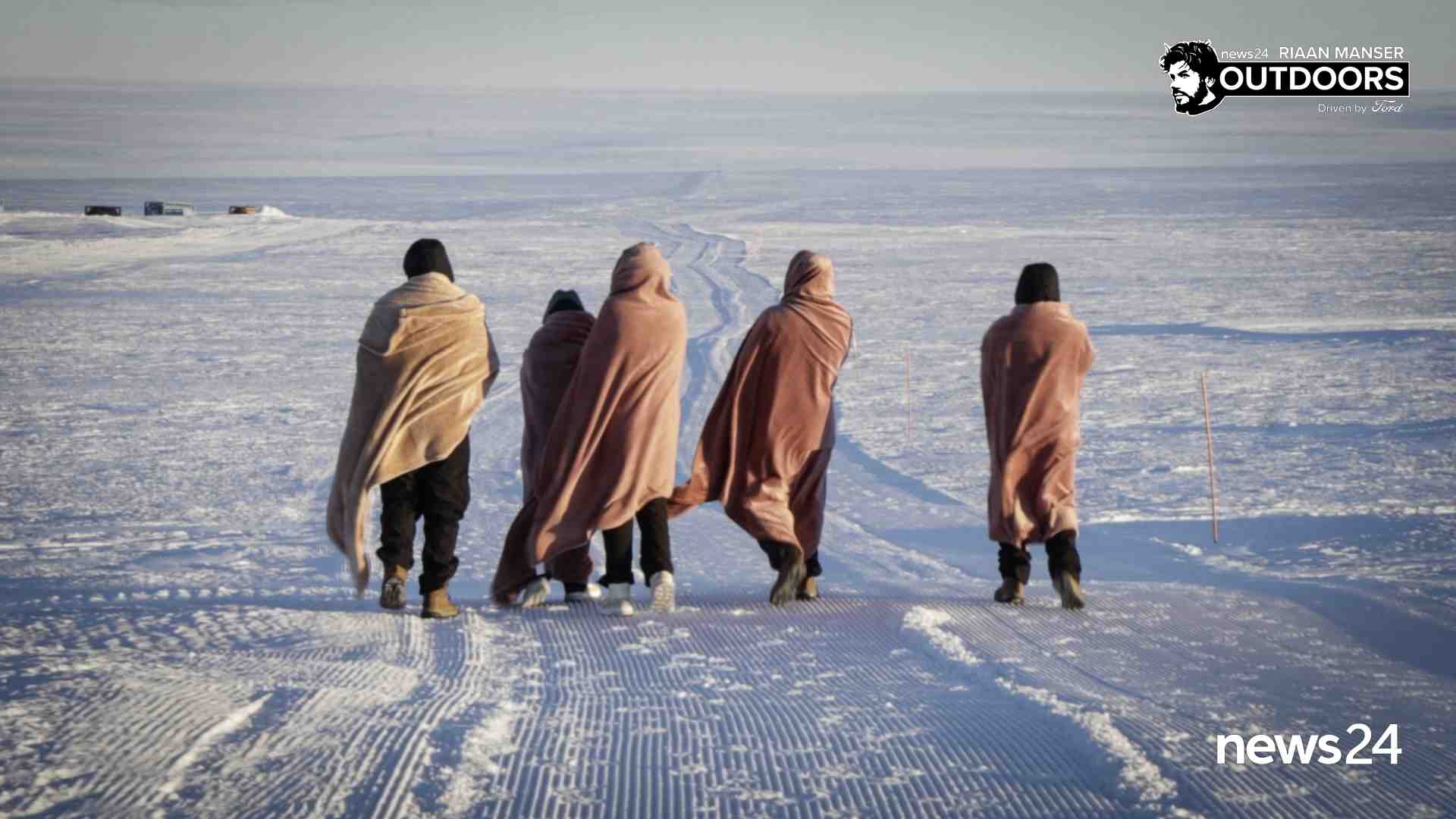
In December 2025, five Grade 11 learners selected from across Africa embarked on a journey to one of the most remote regions on Earth through the Students in Antarctica Programme, classroom-style learning with physical challenges led by South African explorer Riaan Manser.
The expedition was designed to turn young talent into practical environmental problem solvers. Aims to inspire young leaders in environmental stewardship by giving them the opportunity to experience the Antarctic’s frozen frontier first-hand. Through exploration, reflection, and learning, the students gained valuable insight into global environmental challenges and the interconnected nature of Earth’s systems.
International Ocean Institute – Southern Africa (IOI-SA), Programme Manager Kirshia Govender joined the expedition as one of three educators, contributing to discussions on ocean governance, marine conservation, oceanography, and the importance of informed decision-making in protecting the global ocean.
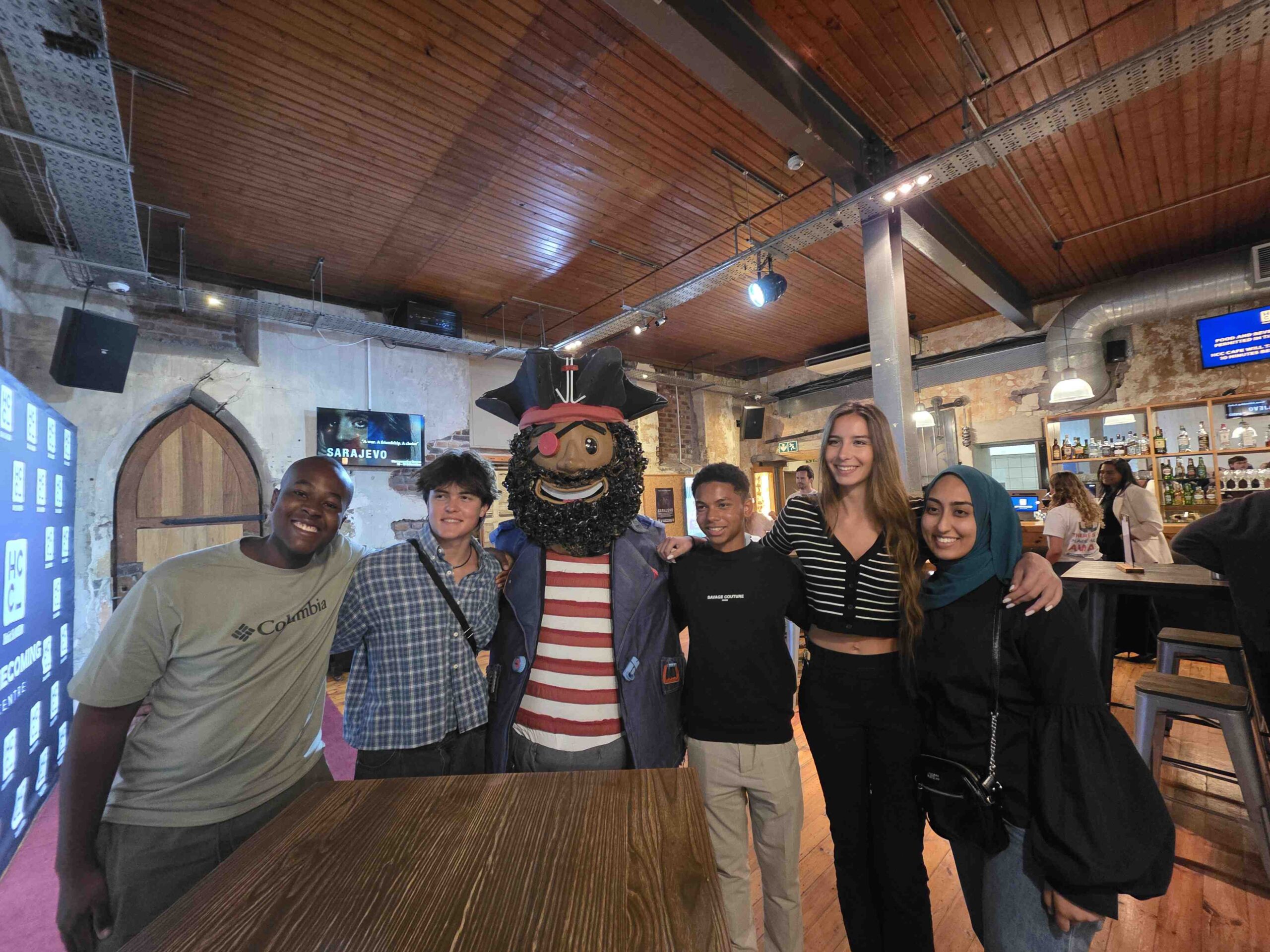
In preparation for the expedition, IOI-SA facilitated a series of educational activities in Cape Town to broaden the students’ understanding of environmental stewardship and ocean sustainability.
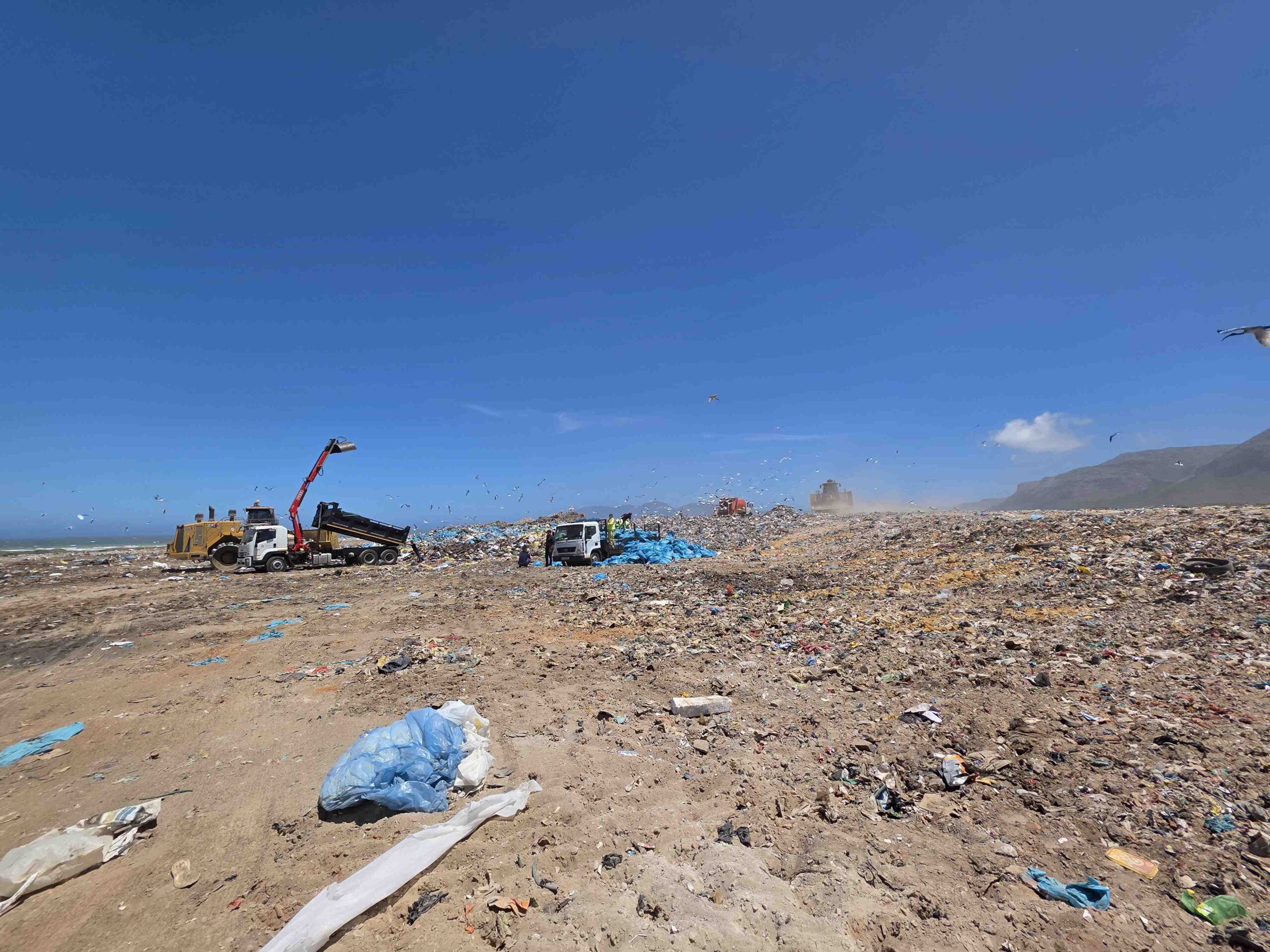
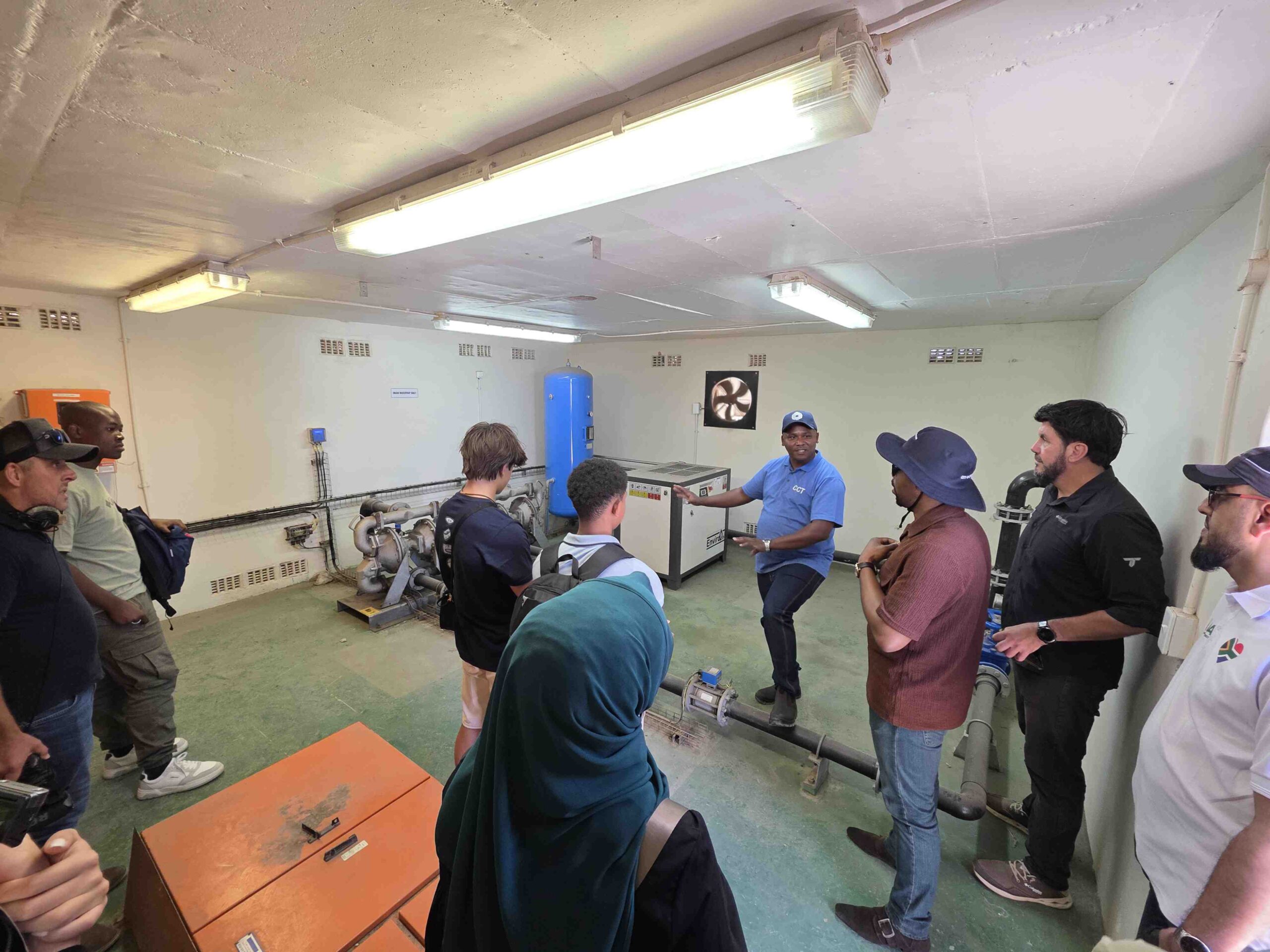
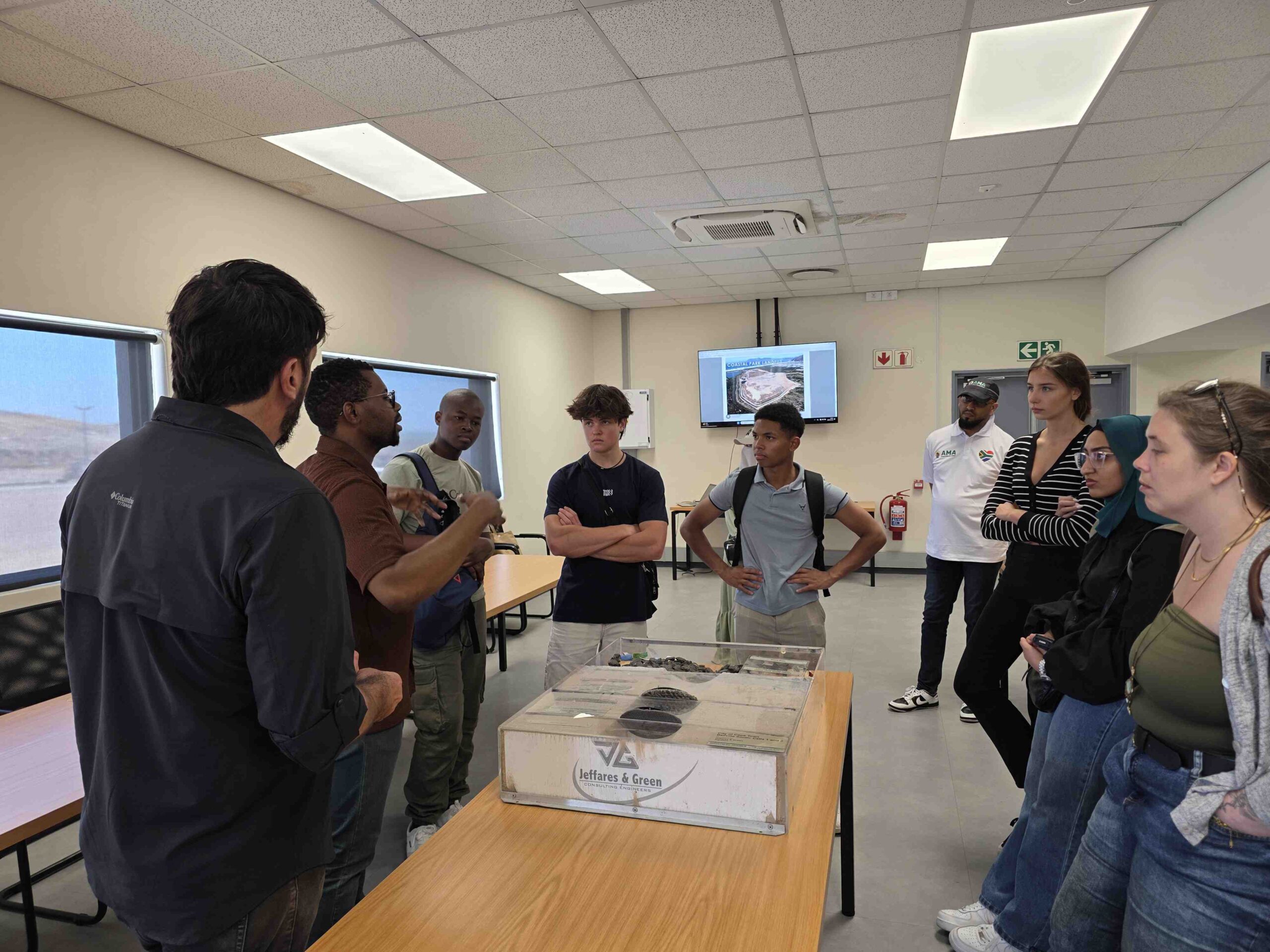
The group visited the Coastal Park Landfill Site and its Material Recovery and Recycling Facility, where they received an informative talk on landfill operations and waste management from a representative of the City of Cape Town. The visit highlighted the critical connection between waste management practices on land and their impacts on marine environments. Seeing the scale of waste generated by a major city provided a powerful reminder of how human activities on land can directly impact the ocean. Students gained insight into how waste is managed, the importance of recycling systems, and the challenges municipalities face in reducing environmental impacts. The experience encouraged the learners to reflect on personal consumption, waste reduction, and the broader responsibility individuals and communities have in preventing pollution from reaching marine ecosystems.


Learners also attended Captain Fanplastic screening of the documentary Ocean with David Attenborough, which explores global marine conservation challenges. The screening formed part of a broader learning activity where students participated in a role-play exercise, taking on the perspectives of lawyers, economists, scientists, and civil society representatives to debate key marine conservation issues. Through this interactive exercise, learners explored how different stakeholders approach environmental challenges from varying priorities and responsibilities. The activity encouraged participants to critically analyse complex ocean issues, present arguments, and respond to different viewpoints in a constructive manner. By engaging in debate and negotiation, the students developed valuable skills in communication, critical thinking, and collaborative problem-solving, all essential competencies for future leaders involved in environmental governance and decision-making.
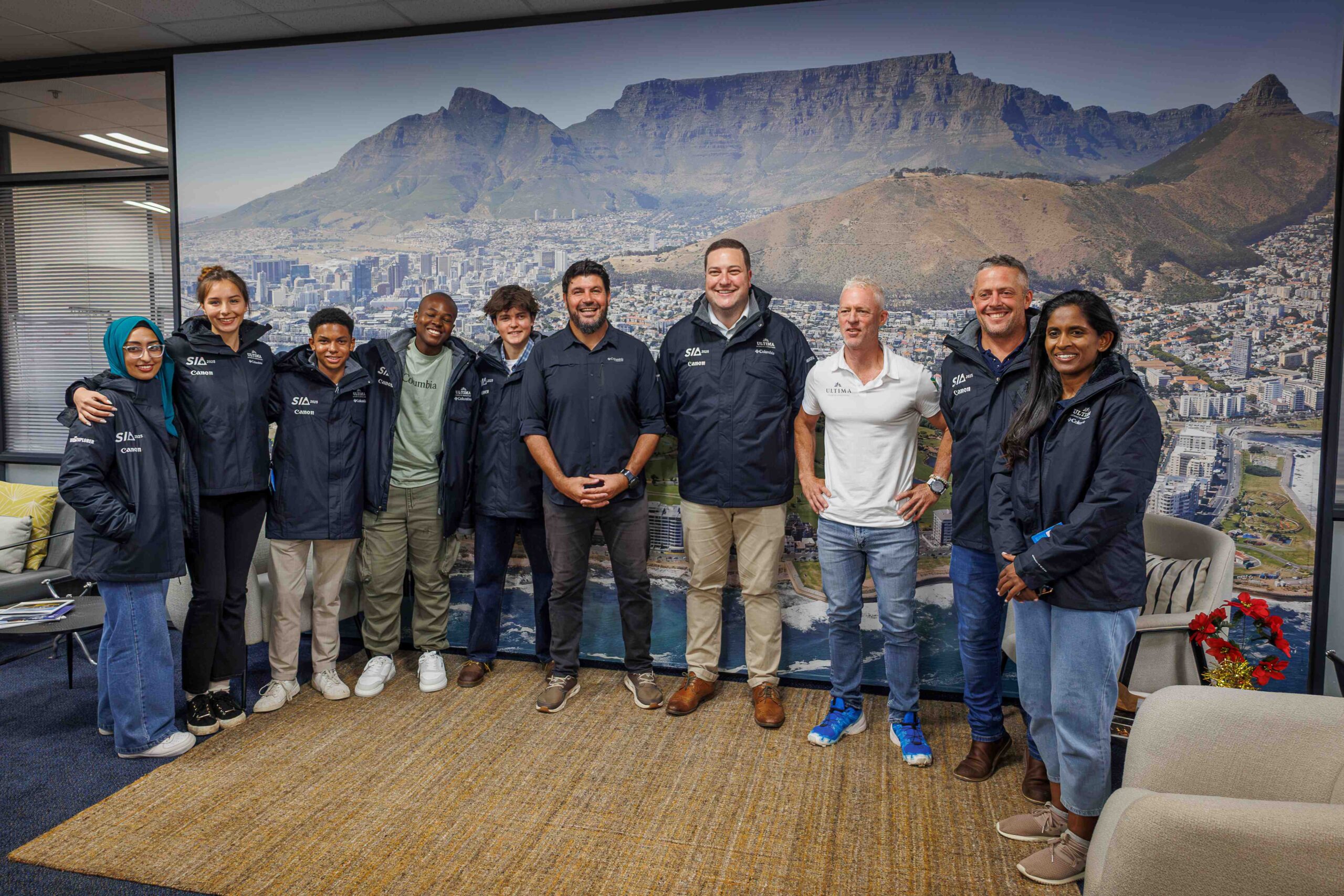
Before departing for Antarctica, the students also had the honour of meeting Geordin Hill-Lewis, Mayor of Cape Town. During the visit, the Mayor personally wished the team well and presented each participant with their polar expedition jackets.
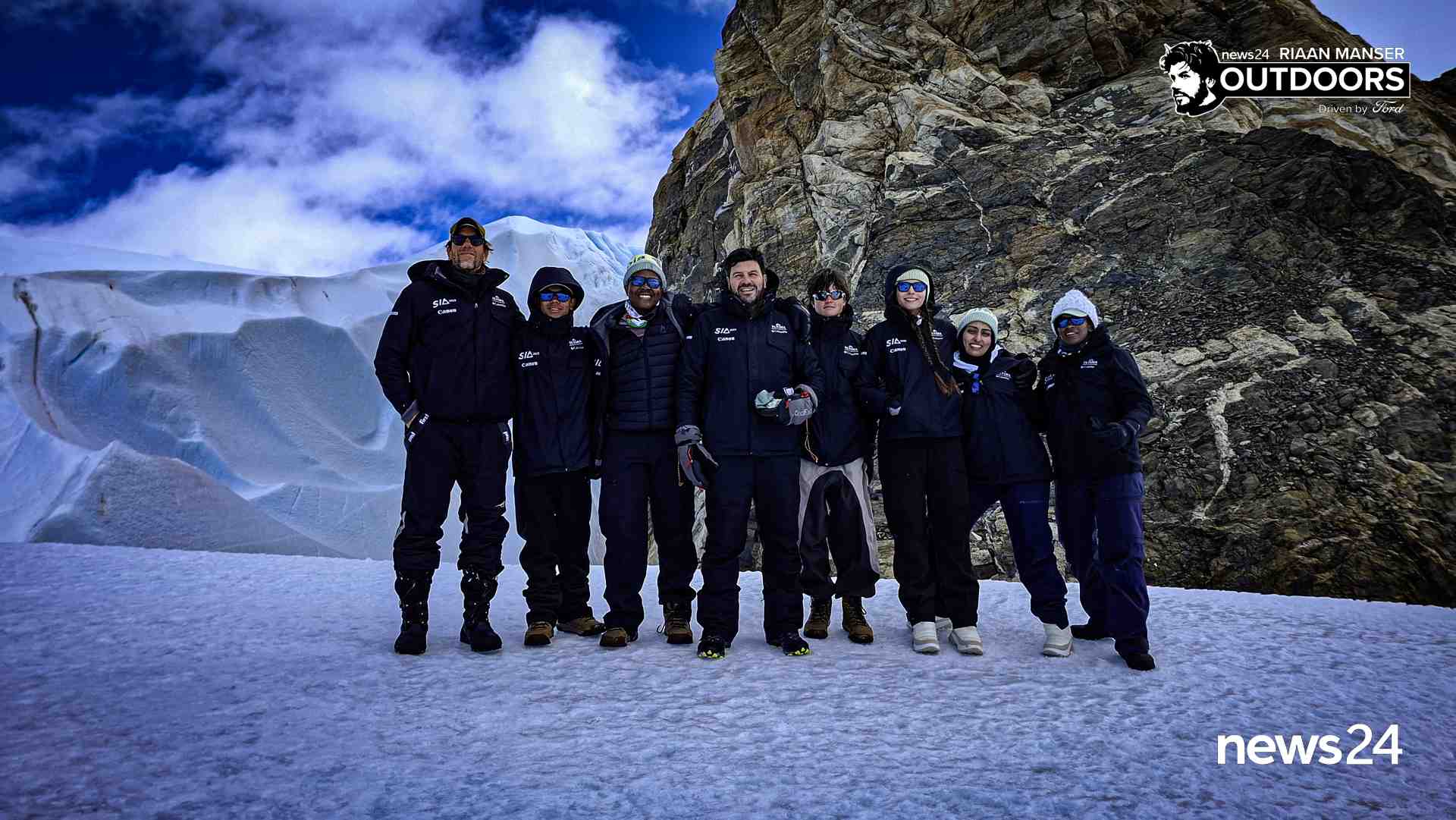

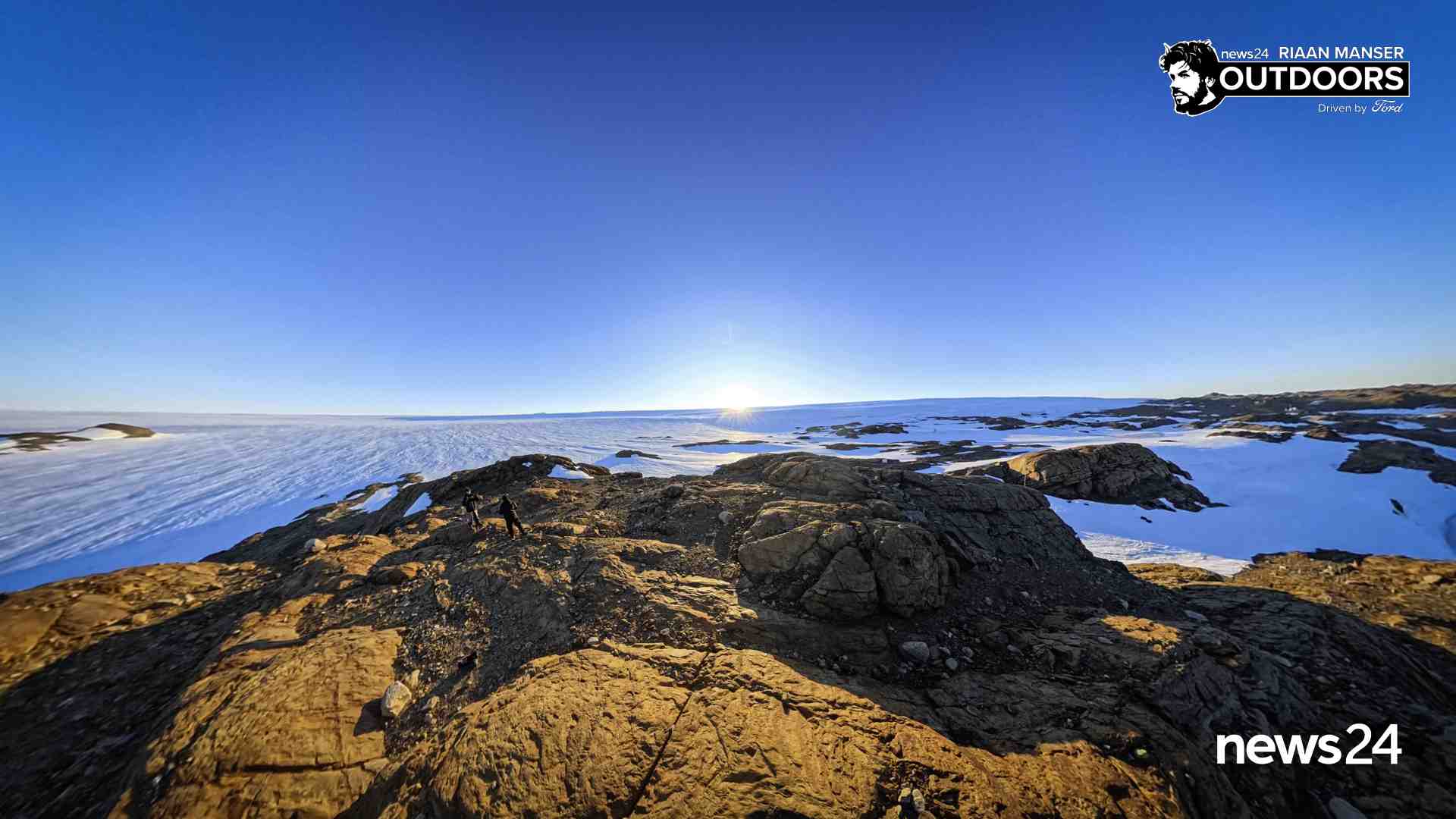
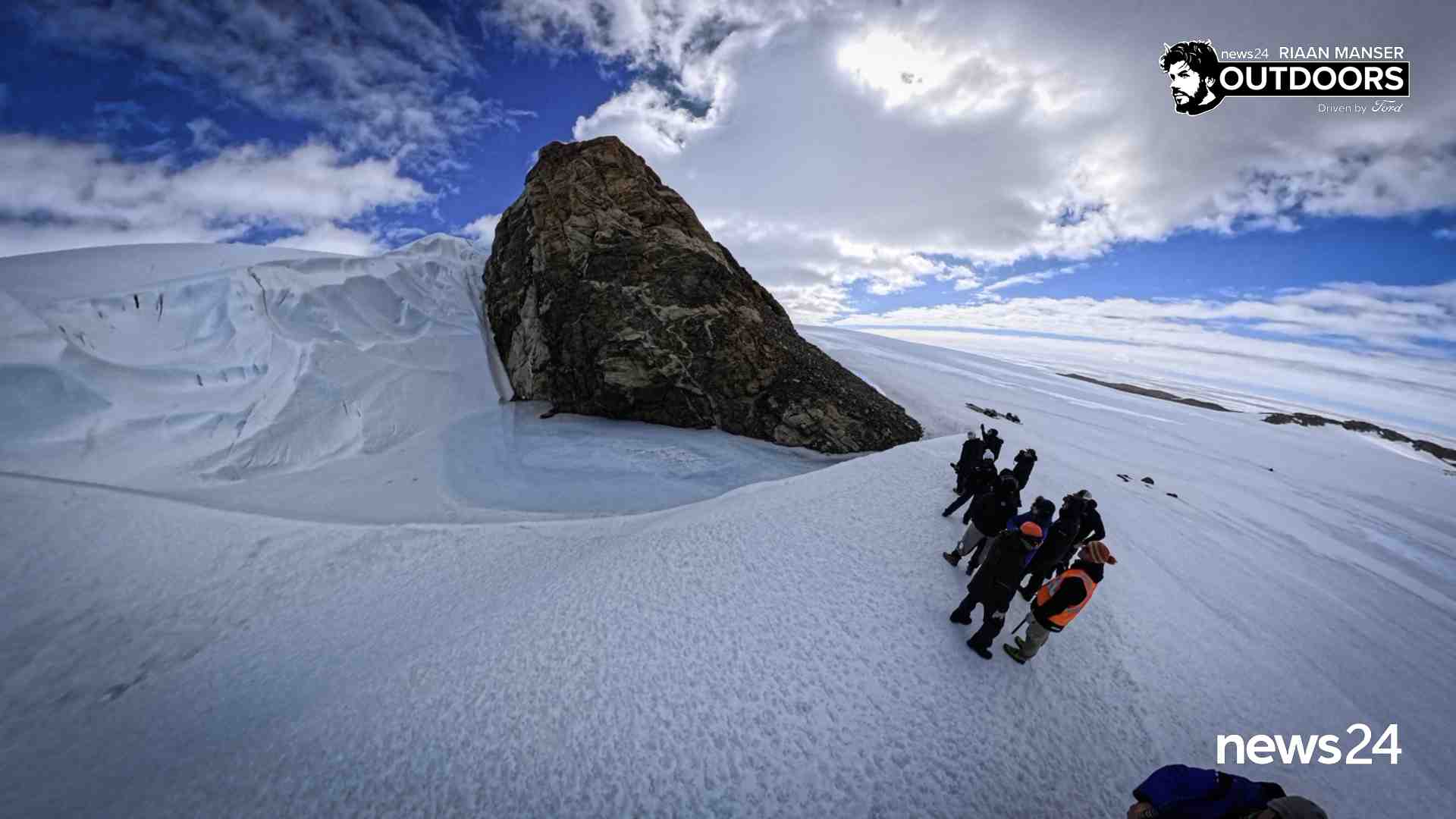
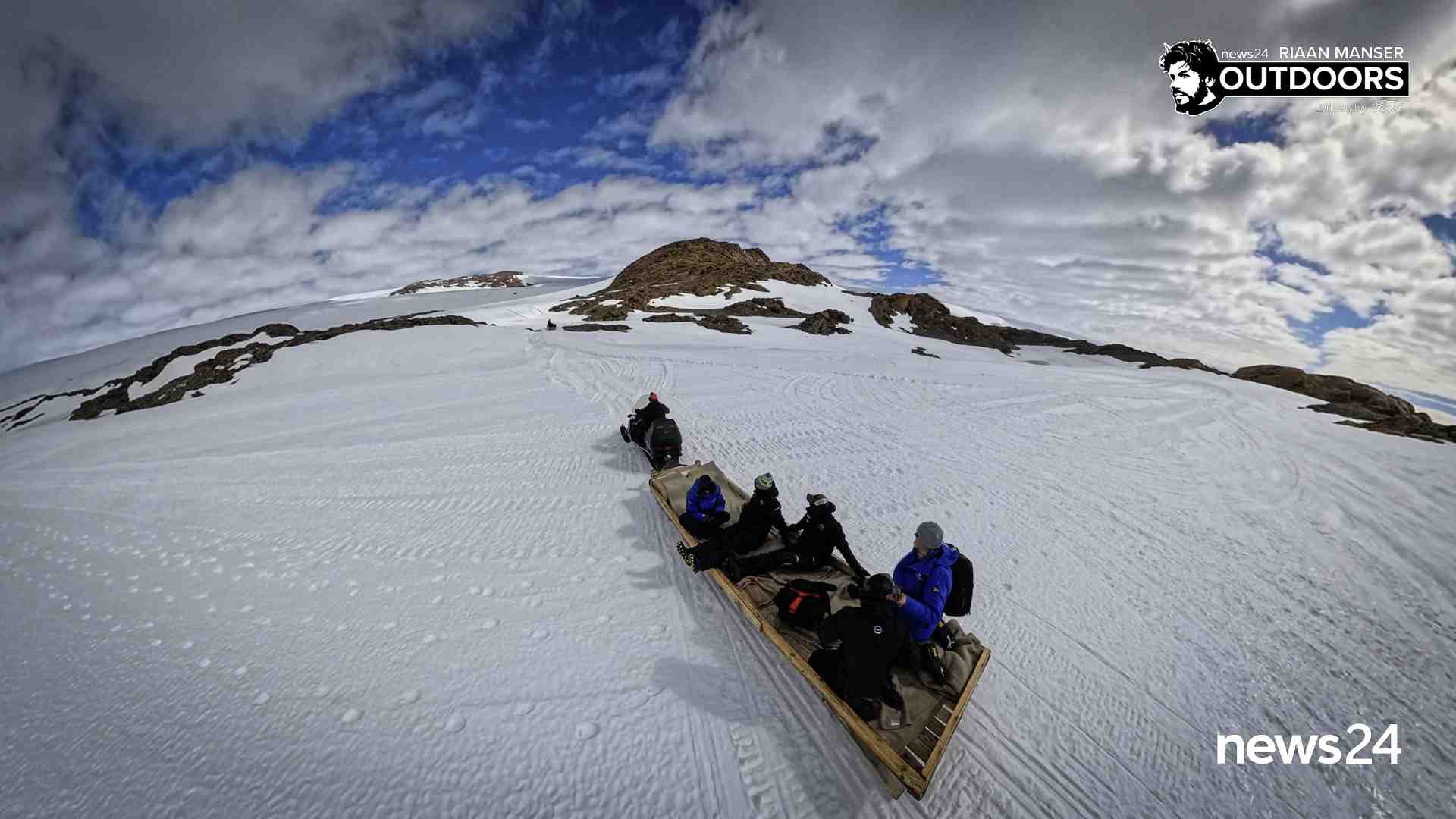
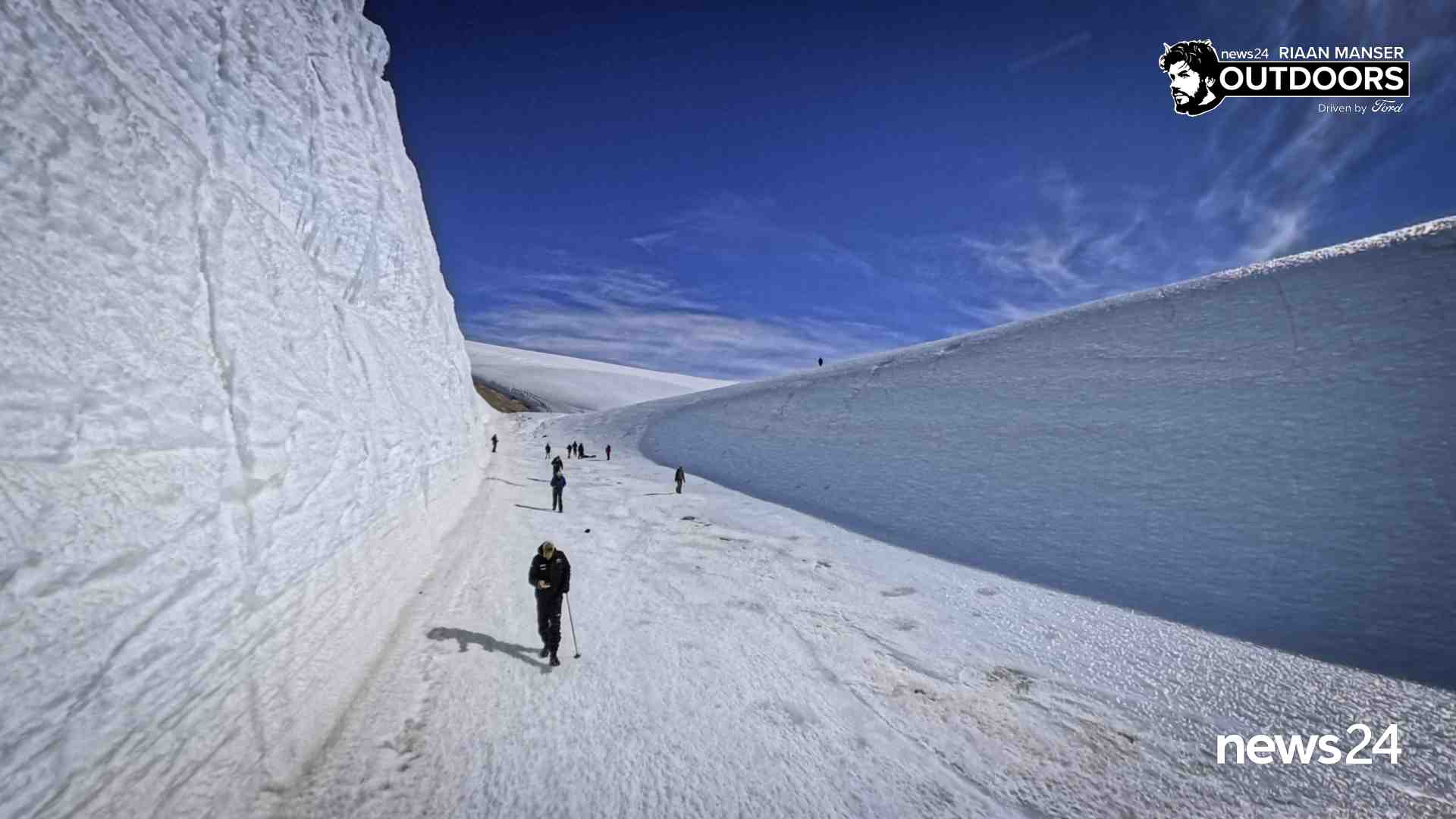
During their time in Antarctica, learners explored ice peaks and ridges, witnessing first-hand the scale and beauty of the Antarctic environment. Travelling across the frozen terrain by ski sleds and specialised expedition vehicles, the group visited towering ice walls, sculpted ice waves, and deep blue ice caves formed over thousands of years. These excursions provided valuable insight into the dynamic nature of glaciers and polar ice systems, while discussions on sustainability and environmental leadership encouraged students to reflect on the responsibility of future generations to protect the planet.
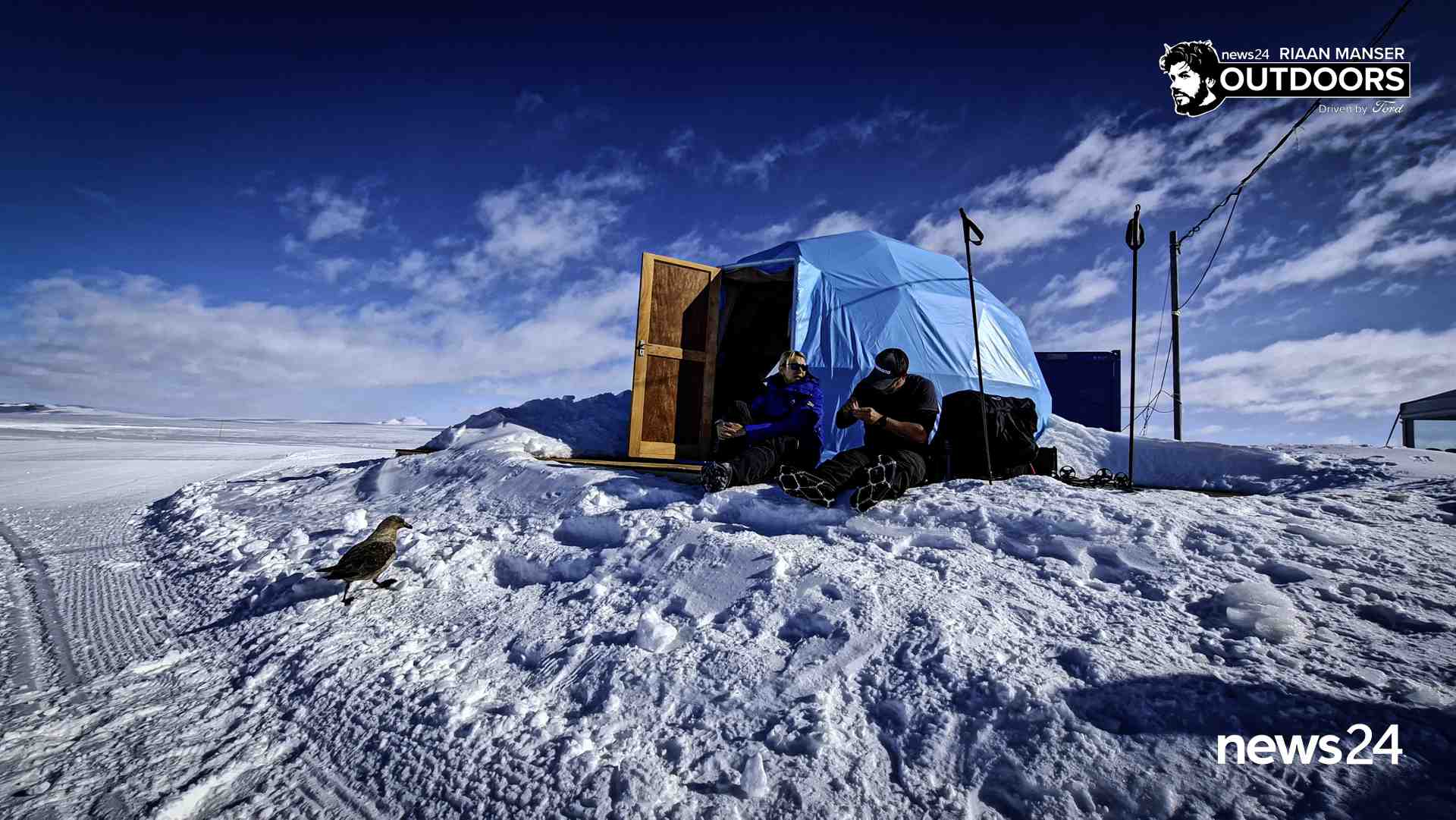
Downtime at Ultima base camp, learners were encouraged to complete their workbooks and educators took the opportunity to share relevant marine science content and more informally, as discussions rather than presentation style teaching. Antarctica is governed through a unique system of international cooperation known as the Antarctic Treaty System. Under this framework, the continent is dedicated to peaceful purposes and scientific research, and no single country owns or governs the region. The surrounding Southern Ocean is managed through international arrangements including the work of the Commission for the Conservation of Antarctic Marine Living Resources (CCAMLR), which regulates fisheries and promotes the conservation of marine life. Together, these frameworks demonstrate how global cooperation is essential for protecting shared environments beyond national borders.
Antarctica also plays a critical role in regulating the Earth’s climate and ocean systems. Changes in the polar regions influence ocean circulation, sea-level rise, and global weather patterns, highlighting the importance of responsible ocean governance and international collaboration
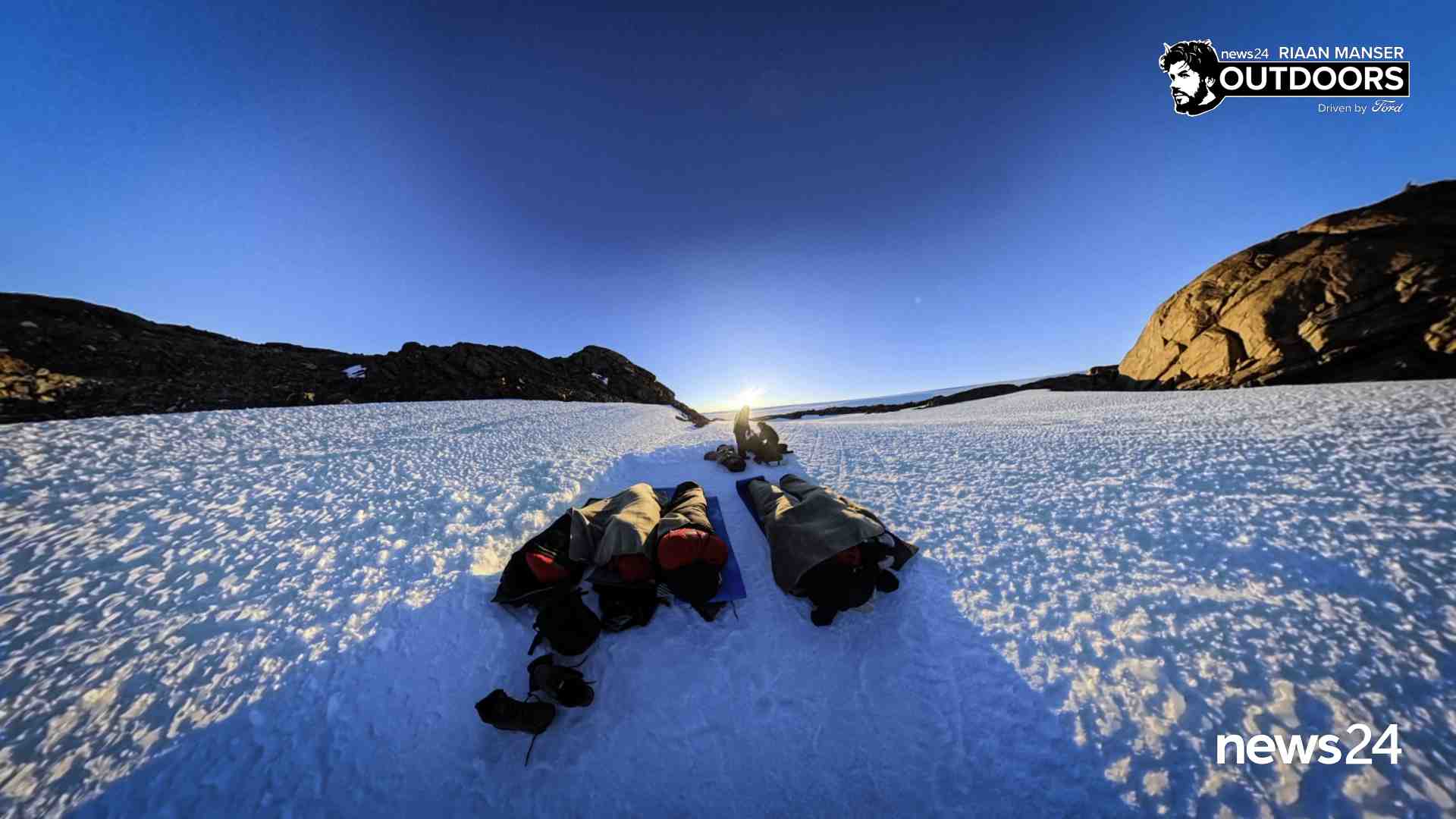
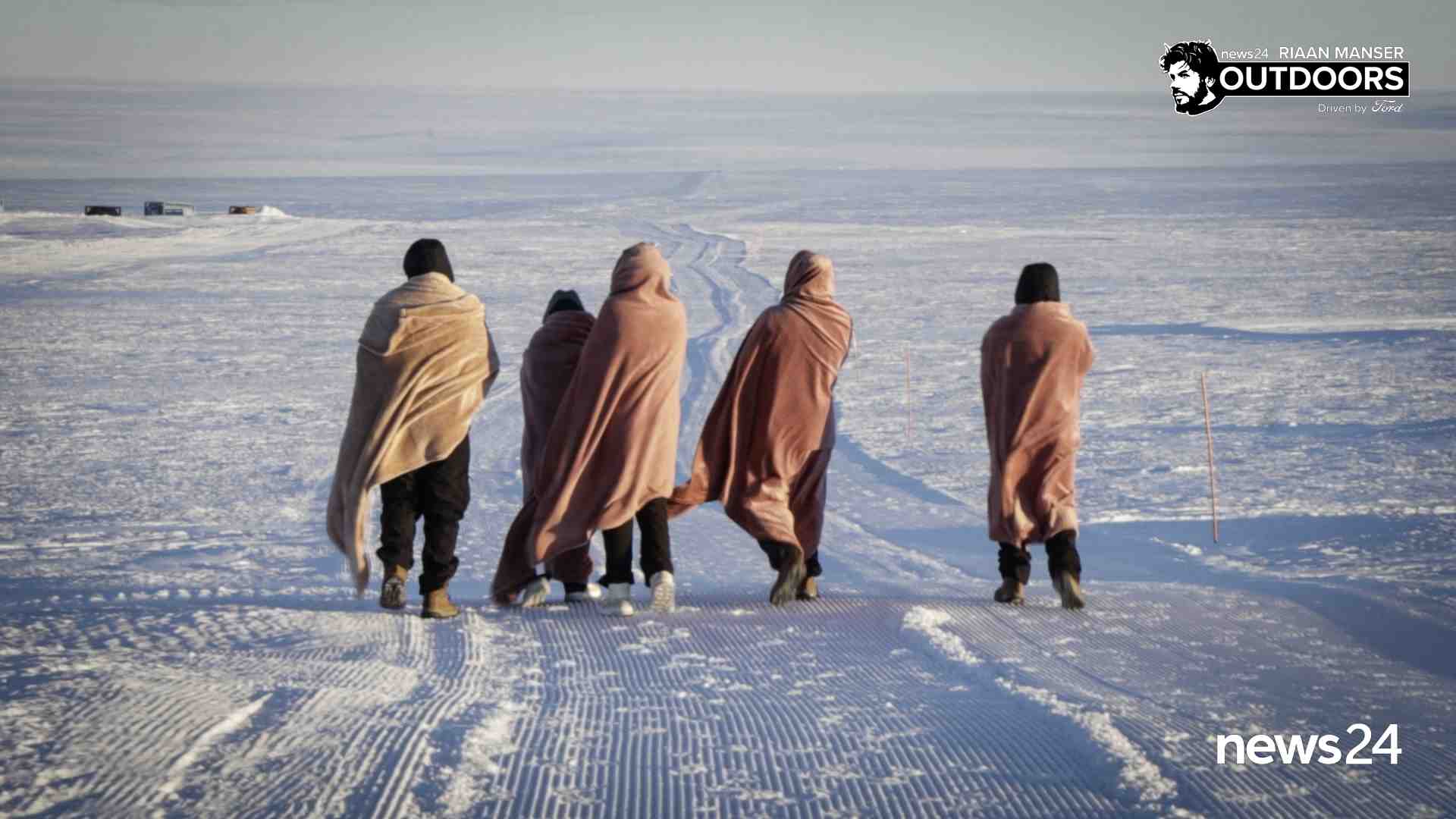
One of the most memorable experiences of the expedition was a 10km hike across vast Antarctic glacier to reach a remote campsite for the night. In true expedition style, mirroring the experience of early explorers, the team slept outdoors directly on the snow in their sleeping bags, without tents, surrounded by the stillness of the Antarctic wilderness in temperatures of -18°C. Waking the next morning to incredible views of the surrounding ice fields and peaks was an unforgettable moment. For some learners, it was their first experience hiking such a distance or camping outdoors, making the overnight stay both a personal challenge and a once-in-a-lifetime adventure.
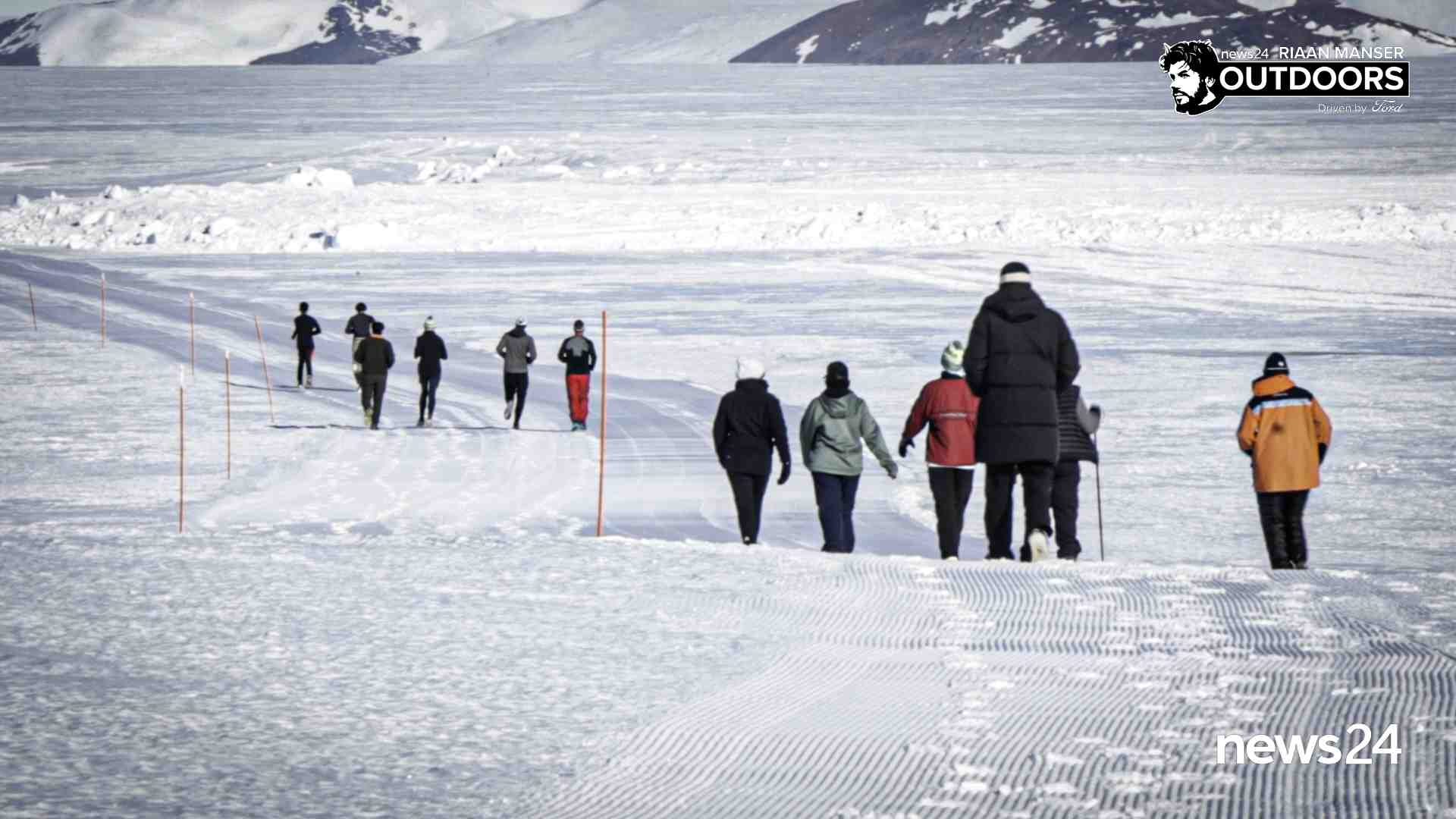
The expedition also included a physical challenge: “Upside Down Run” a half-marathon named for the continents position at the bottom of the world. For several participants this was their first attempt at such a distance. Running in extreme cold and snow tested both mental and physical endurance, and crossing the finish line became a proud achievement for many of the students
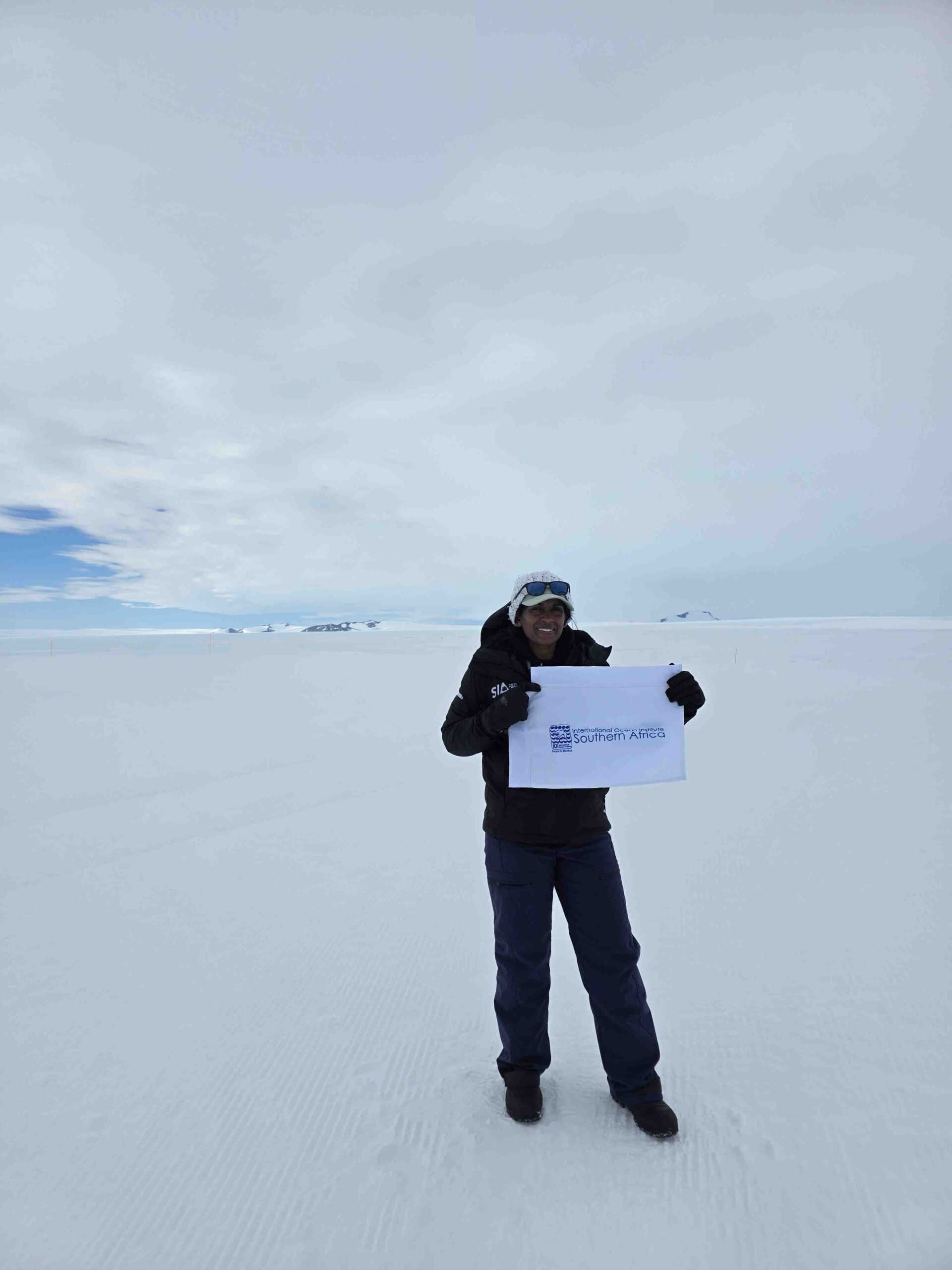
Kirshia proudly representing IOI-SA in Antarctica. Learners participate in the “Upside Down Run” half marathon, pushing their physical and mental limits, demonstrating perseverance and teamwork in Antarctica.
The collaboration between the International Ocean Institute – Southern Africa and the Students in Antarctica programme reflects a shared commitment to empowering the next generation of environmental leaders. While IOI-SA focuses on building capacity in ocean governance through education and training across Africa, the Students in Antarctica initiative provides young individuals with transformative experiential learning in one of the world’s most important environmental regions. By working together, the two organisations bridge knowledge and experience, combining academic insight and real-world exposure to global environmental systems.
Following the expedition, the students will share their documented experiences within their schools and communities, encouraging greater awareness of environmental responsibility and the role young people can play in shaping a more sustainable future for the ocean and planet.
Through initiatives like this, IOI-SA continues to support opportunities that empower the next generation of ocean stewards and strengthen understanding of responsible ocean governance.


